
Paragon Pioneers 2
Tobias ArltSimulation
4.879.00 Reviews
- Version
- 1.0.101
- Installs
- 10.00K
- Age Rating
- Everyone
Screenshots
Our Review of Paragon Pioneers 2
 Analysis by Appyee
I gravitate toward city-building games when I want something to think about without having to react every second. Paragon Pioneers 2 fits that mood: it turns settlement growth into a steady chain of choices, from gathering materials to deciding where the next piece of your realm should go. I’d describe it as a simulation game with strategic planning at its center, rather than a fast-action city builder. That difference matters if you’re choosing something for short breaks or a relaxed evening.
How quickly the game finds its rhythm
The opening is approachable: you begin with a small settlement, learn the basic loop of collecting resources and constructing buildings, and gradually get room to make broader plans. In my experience, that makes it easier to settle in than a game that drops a dense management panel on you from the first minute. The controls feel straightforward, and the game gives you a clear sense of what to work toward.
That ease should not be confused with constant speed. This is an idle-leaning city builder, so its appeal is in setting up a plan and watching your settlement develop, not in tapping frantically to keep up with a timer. I’d choose it when I want a game I can check between other tasks, then spend longer with when I feel like comparing priorities. If you expect every session to bring dramatic progress, the measured pace may feel slow.
What a busy session asks of you
The decisions become more interesting as the settlement grows. Resources such as wood and gold are not just numbers to collect; they influence what you can build and how confidently you can expand. New technologies and buildings add choices, while exploration asks you to weigh an unfamiliar area against the resources and effort needed to make use of it. I found the best approach was to decide what I wanted next before spending freely, rather than treating every available upgrade as equally urgent.
A practical habit is to check your immediate bottleneck before making a major expansion. If a plan depends on a resource you are short of, adding more construction goals can leave you with a queue of intentions rather than a stronger town. I also like to think of exploration as a commitment, not an automatic reward: a newly discovered area matters most when it supports a specific next step. That small change in mindset makes the planning feel deliberate and helps keep a larger settlement from becoming a collection of unrelated projects.
Reliability, presentation, and the feel of play
The colorful visuals make the town easy to enjoy as it fills out, and the soundtrack gives the experience a calm backdrop. Those qualities suit the game’s slower rhythm: I can spend time looking over the settlement without feeling pushed into constant action. The presentation is inviting, though players who prefer dense dashboards, highly technical controls, or a starkly realistic city simulation may want a more data-heavy alternative.
I would also set expectations around what “smooth” means here. The controls are easy to understand, but a relaxed management game is not automatically a good fit for every device or every playing situation. On a smaller screen, take a moment to inspect the interface before committing to a long planning session; if you find yourself rushing through choices, a larger display or a quieter moment may make the game more comfortable. I would avoid judging it by the intensity of an action game, since its satisfaction comes from planning and gradual development.
Who should make room for it
I’d recommend it to people who enjoy watching a settlement grow and are happy to make a series of modest decisions rather than chase constant surprises. It can suit a commute, a lunch break, or a quiet evening: check what your town needs, choose a sensible next project, and return when you have time to plan further. It is less suitable if you want quick levels with a clear finish, competitive pressure, or immediate rewards every time you open a game.
Compared with many city-building alternatives, its combination of idle pacing, resource planning, and exploration is the main draw. A more hands-on builder may offer tighter control over individual details, while a puzzle-focused strategy game may deliver faster, self-contained challenges. Here, the trade-off is a gentler pace in exchange for a longer-running development loop. Before settling in, ask yourself whether gradual progress is satisfying to you; that is a better guide than simply liking the idea of building a city.
The World of Paragon Pioneers 2
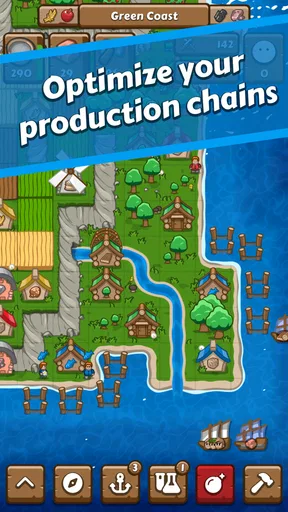
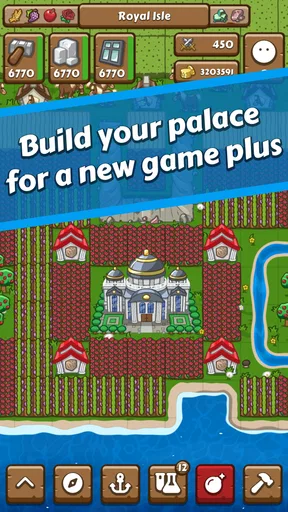
First things first, the game transports you to a vibrant world where you’re tasked with building and managing your own civilization. The graphics are crisp and colorful, giving life to every corner of your burgeoning town. It’s like having your little slice of paradise, right in the palm of your hand.
Gameplay Mechanics
What really stands out about Paragon Pioneers 2 is its intuitive gameplay mechanics. You start with a small settlement and gradually expand by gathering resources, constructing buildings, and exploring new territories. It’s like playing a city builder and an adventure game rolled into one.
The controls are smooth, and the learning curve is just right. You won’t find yourself scratching your head trying to figure out what to do next. Instead, the game gently nudges you along, providing just enough challenge to keep things interesting.
Strategic Depth
Even though it feels casual, there’s a surprising amount of strategic depth to enjoy. You’ll need to balance resource management with expansion plans, and make tactical decisions about which areas to explore. It’s the kind of game where you can pop in for a quick session or settle in for a longer playthrough, strategizing your way to greatness.
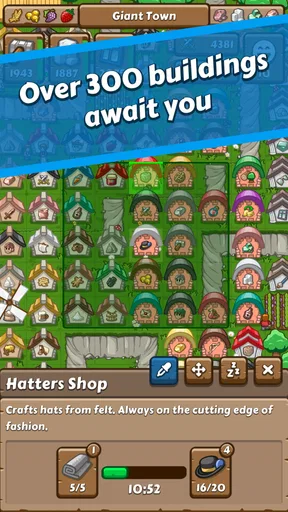
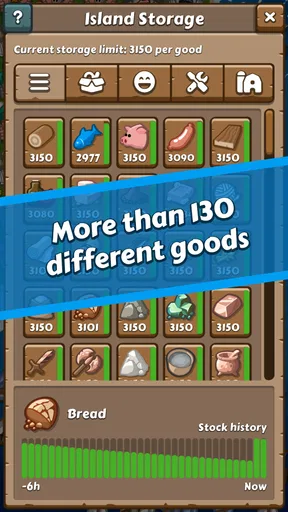
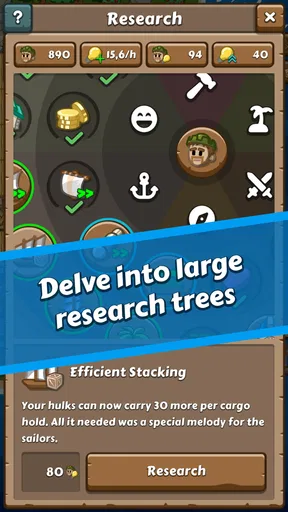
Resource management is key in this game. From wood to gold, each resource plays a critical role in your development. As you progress, you unlock new technologies and buildings, adding layers of complexity to your budding empire.
Exploration and Expansion
If you love exploring new realms, Paragon Pioneers 2 has got you covered. The thrill of discovering uncharted lands and the potential resources they hold is genuinely exciting. Each new area offers unique challenges and opportunities, making exploration a rewarding endeavor.
Expansion isn’t just about land grabbing; it’s about strategic placement and utilization of resources. This adds an extra layer of engagement as you carefully plan your next moves.
Visuals and Sound
Visually, the game is a treat. The developers have done a fantastic job with the art style, balancing simplicity with detail. The animations are smooth, and the overall aesthetic is pleasing to the eye. It’s the kind of game that invites you to get lost in its world.
The soundtrack complements the visuals beautifully. It’s soothing and immersive, providing a perfect backdrop as you work on expanding your empire. Every sound, from the rustling of trees to the bustling activity in your town, adds to the game’s charm.
What to know before installing
On the practical side, Tobias Arlt is the developer, and the game is rated for Everyone. The current version is 1.0.101, and it requires Android 6.0 or later. Those details make it easier to decide whether it suits an older device, though an operating-system requirement alone cannot guarantee how comfortably it will run on every phone.
The game costs $5.99, with optional in-app purchases priced from $0.99 to $2.99 per item. I’d treat the initial price as the main commitment and consider any extras only if they clearly support the way you want to play. It is not the best pick if you are looking exclusively for a free game or if you dislike seeing paid options alongside a premium purchase.
It was released on March 10, 2024, and has a 4.8 average from around 1.3 thousand ratings, with over 10 thousand installs. Those figures suggest that it has found an audience, but they cannot tell you whether its patient pace matches your preferences. The more useful question is whether you enjoy making small economic decisions and letting a settlement develop over time.
A small routine that makes planning easier
For an everyday session, I’d use a simple loop: open the game with one goal in mind, check which resource is holding that goal back, then choose a building or exploration step that addresses it. For example, during a short break, I might decide that the next session should focus on making expansion more practical, rather than starting several unrelated upgrades. When I return in the evening, I can assess what changed and choose the next priority instead of trying to remember a scattered list of plans.
This is more than a convenience. In a settlement game, it is easy to spend attention on whichever option is most visible, even when it does not solve the current problem. Keeping one main objective helps me notice whether a new territory or technology actually supports my plan. If it does not, waiting can be the smarter choice. That restraint is a useful part of the strategy, especially for players who tend to expand simply because the option is available.
Picking the right device and playing conditions
I would expect the game to feel most comfortable when I can pause and look over the town, rather than while walking or switching rapidly between tasks. Its visual charm encourages you to inspect the settlement, and the planning loop benefits from a little attention. A quick check during a commute can work if you are seated and have a moment to focus; it is a less natural companion for situations where you need to keep your eyes elsewhere.
For device constraints, the minimum Android requirement is useful as a compatibility threshold, not a promise of identical performance across all hardware. If your phone is older or already feels strained by other games, start with a brief session and see whether the interface remains comfortable. I would also keep expectations modest when moving between devices: the safest approach is to confirm your own progress is available as expected before relying on a device change. That is sensible housekeeping for any game you plan to keep playing over time.
Where the trade-offs become clear
There is a particular kind of satisfaction in turning a modest settlement into something more capable, but the same gradual structure can test your patience. If you need a game to deliver a complete challenge in a single sitting, a puzzle title or a level-based strategy game is probably a better match. If you want more direct control over a city’s individual details, a traditional hands-on builder may suit you better. This one is strongest when you enjoy long-term resource choices and exploration rather than rapid, discrete victories.
I would also distinguish between depth and complexity. The game offers planning choices around resources, new buildings, technologies, and expansion, but that does not mean it is designed as a demanding management simulator. Players who want extensive numerical analysis may find its approachable style too light, while newcomers to the genre may appreciate that they can learn the basic loop without wrestling with a complicated interface. That balance is a strength for some and a ceiling for others.
Why You Should Try It
If you’re a fan of strategy games with a casual twist, Paragon Pioneers 2 is a must-try. It’s engaging, beautiful, and offers a perfect blend of strategy and relaxation. Whether you’re a seasoned gamer or someone looking for a fun way to pass the time, this game has something to offer.
So, grab your device, download the game, and start building your empire today. It’s time to see what kind of pioneer you can be!
My recommendation is more specific than “it’s relaxing”: try it if you like the feeling of setting a direction for a town, then returning to see how your decisions have shaped it. I’d skip it if waiting between meaningful choices frustrates you, or if your ideal city builder is built around precise, constant intervention. For the right player, its appeal lies in having a clear next decision without needing to turn every spare minute into a high-pressure session.
Performance verdict
My overall impression is that this is a game to judge by its steady planning rhythm, not by action-game standards. Its controls and approachable opening make getting started feel manageable, while the growing number of resource and expansion choices gives longer sessions a purpose. I would leave room for the possibility that an individual device changes how comfortable it feels, particularly on a small or older screen, and test that in ordinary play before committing to a lengthy session.
Paragon Pioneers 2 is at its best when I can enjoy the process rather than hurry toward a final result. If you value that patient city-building loop, the price and optional purchases are worth weighing against how often you expect to return. If you need immediate, self-contained challenges, another kind of strategy game will likely serve you better. As a calm simulation with exploration and resource decisions, though, it gives the right player a satisfying reason to check back and keep shaping a growing realm.
Verdict
Strengths of Paragon Pioneers 2
- Engaging resource management gameplay.
- Visually appealing graphics and design.
- Smooth performance on most devices.
- Challenging levels encourage strategic thinking.
- Regular updates with new content.
Limitations of Paragon Pioneers 2
- Limited tutorial for beginners.
- In-app purchases can be pricey.
- Requires constant internet connection.
- Some levels feel repetitive.
- Notifications can be overwhelming.
Similar Picks in This Category
View All
Truckers of Europe 3
Wanda Software4.3

Town Building Life Simulator
XGame Global4.2

Fidget Toys Trading・Pop It 3D
Freeplay Inc4.7

Sculpt People
CrazyLabs LTD4.4

Scary Teacher 3D
Z & K Games4.2

Hair Tattoo: Barber Shop Game
CASUAL AZUR GAMES4.3
Frequently Asked Questions
What is the main objective in Paragon Pioneers 2?
In Paragon Pioneers 2, players are tasked with building and managing a thriving settlement. The primary goal is to expand your territory, gather resources, and develop a community that can withstand challenges. You’ll engage in strategic planning to ensure your settlement grows efficiently and sustainably.
Is Paragon Pioneers 2 suitable for casual gamers?
Yes, Paragon Pioneers 2 is designed to appeal to both casual and dedicated gamers. Its intuitive interface and gradual learning curve make it accessible for newcomers, while the depth of strategy and management elements provide a rewarding experience for more seasoned players seeking a challenge.
Are there any in-app purchases in Paragon Pioneers 2?
Paragon Pioneers 2 does offer in-app purchases, which can enhance gameplay through various upgrades and resources. However, these purchases are optional, and players can enjoy the full experience without spending money. The game is balanced to ensure that all players, regardless of spending, can progress effectively.
Does Paragon Pioneers 2 require an internet connection to play?
Paragon Pioneers 2 can be played offline, making it convenient for users who want to enjoy the game without a constant internet connection. However, some features, such as updates and social interactions, may require a connection to enhance the overall experience.
What are the key features that set Paragon Pioneers 2 apart from other strategy games?
Paragon Pioneers 2 stands out with its detailed settlement-building mechanics and immersive world. The game offers a rich narrative combined with strategic resource management. Players can enjoy a variety of challenges, from environmental obstacles to community management, ensuring a dynamic and engaging experience.
Play our best games!


